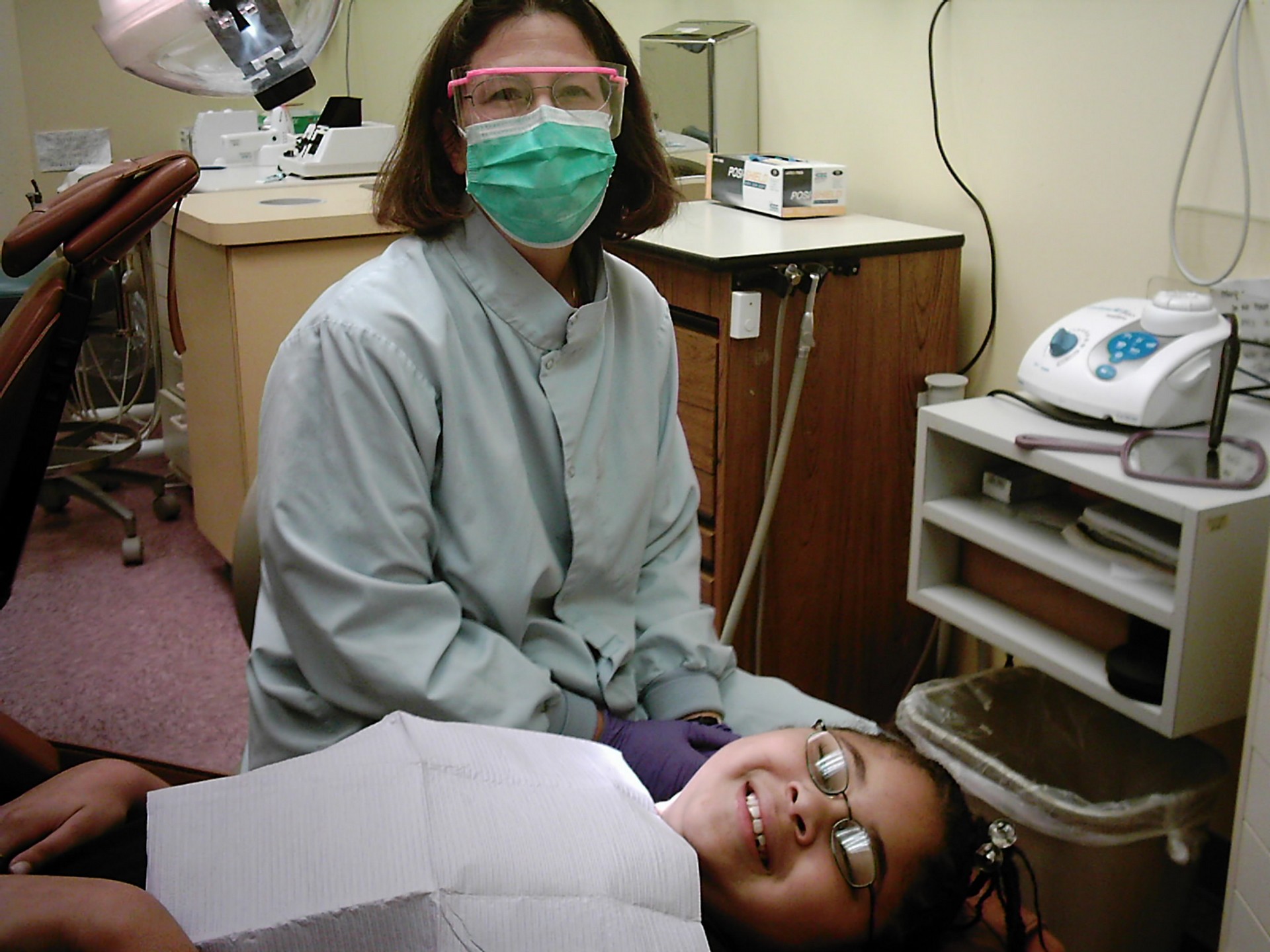
Dental therapists are specially trained to serve areas with chronic shortages of dental providers, such as rural communities, Tribal lands, and low-income neighborhoods. They often provide care in non-traditional settings—like schools, nursing homes, and community centers—bringing essential services directly to people who might otherwise go without.
Because the training for dental therapists is shorter (a minimum of three academic years) and less expensive than that of dentists, dental therapists are highly cost-effective providers for clinics to employ. Dental therapists can address simpler oral health care needs–like exams, fillings, and non-surgical extractions–while dentists can do more complex procedures.