The California Oral Health Equity Coalition (COHEC) Highlights Need for Dental Therapy as New Reports Shows Persistent Gaps in California Oral Health Access
LOS ANGELES, CA (April 2, 2026) — The California Oral Health Equity Coalition (COHEC) points to two newly released reports from UCSF’s HealthForce Center confirming that, despite decades of policy reforms and hundreds of millions of dollars in state investment, oral health care remains one of the most significant unmet health needs in California—especially for those who need oral health care the most. The issue briefs, “Access to Oral Health Care in California: Barriers and Opportunities and “The California Oral Health Workforce: Deficits and Opportunities,” authored by Miranda Davis, DDS, MPH, and Elizabeth Mertz, PhD, MA, find that the state’s current dental workforce configuration is fundamentally unable to bridge the gap for underserved communities. The reports also highlight dental therapy as a proven solution to address these gaps.
“The UCSF findings confirm what we see on the ground,” said Rejie Marie Baloyos, Executive Director of Asian Resources, Inc. and member of COHEC. “We work closely with immigrant, refugee, and low-income families—many of whom face language barriers, lack of insurance, transportation challenges, and limited access to culturally responsive providers.These barriers delay preventive care and contribute to more serious health issues over time. Dental therapy offers a solution.”
“Our members demand bringing dental therapy to California because it moves us beyond the status quo toward an oral health care and workforce system centered in economic, health, and racial justice,” said Marcus McKinney, Executive Director of SCOPE and member of COHEC.
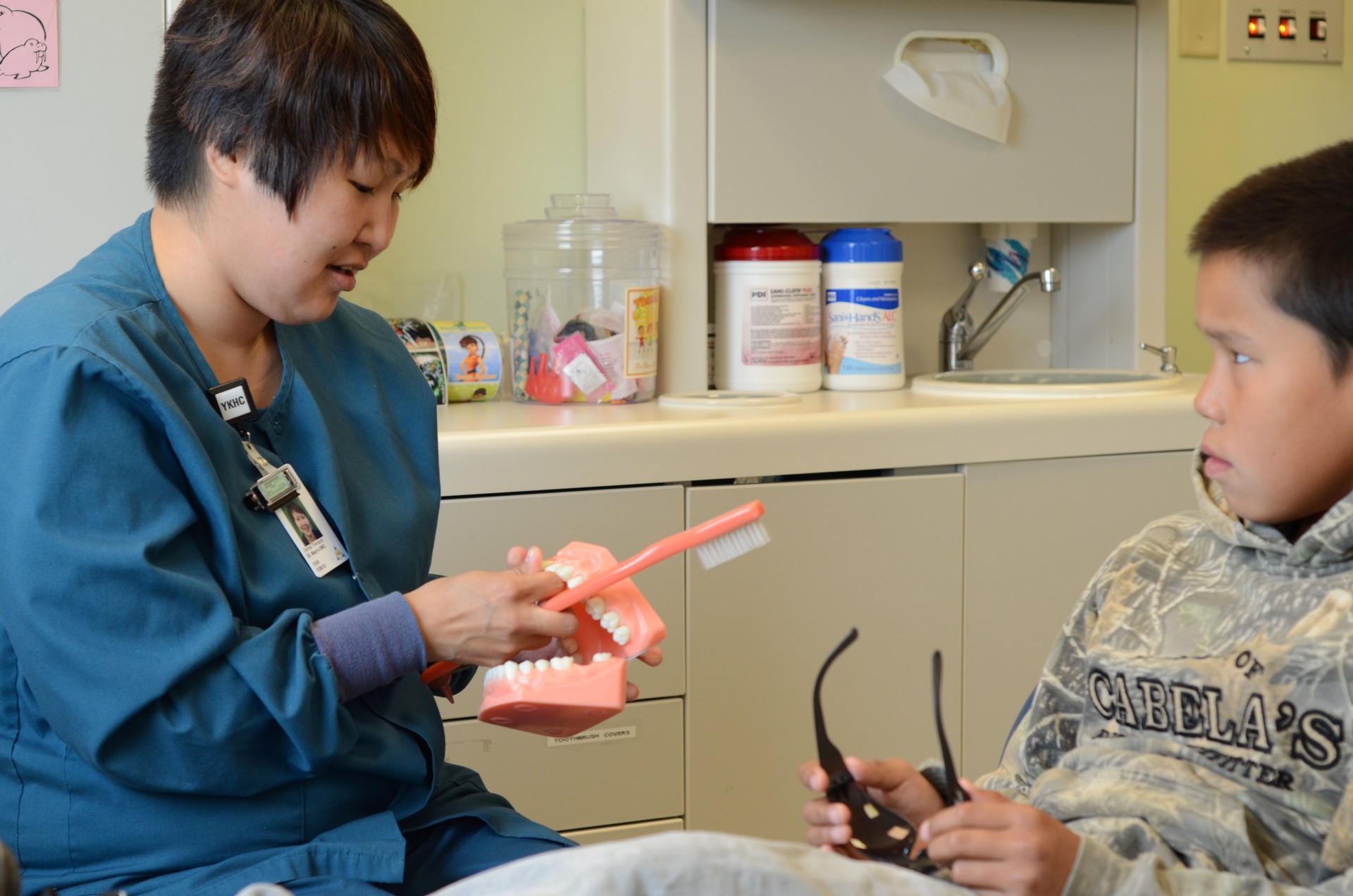
Dental therapists are licensed dental professionals who work as part of a dentist-led team to provide preventive and routine care, like exams, fillings, and oral health education, in communities. With education programs that take fewer years and financial resources to complete than dental education programs, dental therapy offers an accessible entry way into the oral health care field.
Bringing dental therapy to California allows us to build a pipeline of oral health care providers who understand the culture, language and needs of California’s diverse communities,” said Maria Lemus, Executive Director of Vision y Compromisio, and member of COHEC.
Dental therapy is a workforce model used for more than a century in over 50 countries worldwide. In the United States, dental therapists have been providing care for 20 years. The model was first introduced in the U.S. by Alaska Native leaders seeking to expand access and build a local oral health workforce responsive to community needs. Dental therapists are now authorized to practice in 14 states.
According to the issue briefs, while California boasts one of the highest dentist-to-population ratios in the United States, systemic barriers leave millions without care.
- Medi-Cal Disparities: Of the 15 million Californians enrolled in Medi-Cal, only 50% of children and less than one-quarter of adults received dental care in 2024. Despite efforts to incentivize dentists to see Medi-Cal patients, only15% of California dentists meaningfully participate in Medi-Cal (defined as seeing more than 100 patients annually).
- Racial Inequities: 72% of Latinx children have experienced tooth decay, compared to 40% of white children. African American children suffer from untreated decay at twice the rate of their white peers (25.8% vs. 13.7%).
- Economic Impact: Poor oral health forced 351,000 California children to miss school in 2022, totaling over 869,000 missed school days and costing districts approximately $60 million.
- Emergency Room Reliance: With preventive care out of reach, Californians seek relief in Emergency Departments over 50,000 times annually for preventable dental conditions, costing the state roughly $120 million per year without treating the underlying dental issues.
“The State spent years attempting to fix a broken delivery system with the same tools,” said Dr. Elizabeth Mertz. “The evidence shows that simply increasing payments to a workforce that is geographically and demographically mismatched with the population is not enough. California needs a workforce reconfiguration.”
The Case for Dental Therapy
The reports conclude that California’s dental delivery system lacks the diversity and flexibility needed to reach Tribal nations, rural, urban and homebound populations. The authors point to dental therapy as a proven solution to:
- Increase Capacity: Dental therapists can support community health centers where demand currently far exceeds supply.
- Improve Reach: Dental therapists can bring restorative care into schools, reservations, nursing homes, and other community settings to reach more communities in need of oral health care.
- Enhance Culturally Competent Care: Through dental therapy, we can build a workforce that reflects California’s Tribal and BIPOC communities, improving trust and outcomes.
“Oral health is a human right, yet in California, access to oral health care remains a profound marker of racial and economic inequity,” McKinney said. “Dental therapy is the very solution BIPOC communities have been calling for, a people’s solution that serves as a critical step toward racial and economic justice.”
For more information on COHEC visit https://cohec.org/.
To access the briefs, please visit: https://healthforce.ucsf.edu/research-publications.
About COHEC
The California Oral Health Equity Coalition (COHEC) is a grassroots campaign led by low-income BIPOC, Tribal, and other marginalized communities across the state committed to bringing dental therapy to California—a proven, community-driven solution to expand access to quality, affordable, and culturally relevant oral health care. COHEC was founded and is directed by Asian Resources, Inc., California Rural Indian Health Board, Dolores Huerta Foundation, Strategic Concepts in Organizing Policy Education (SCOPE), and Visión y Compromiso.